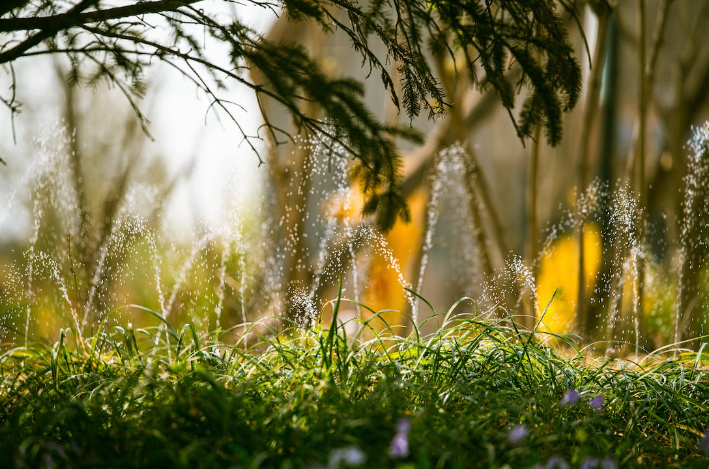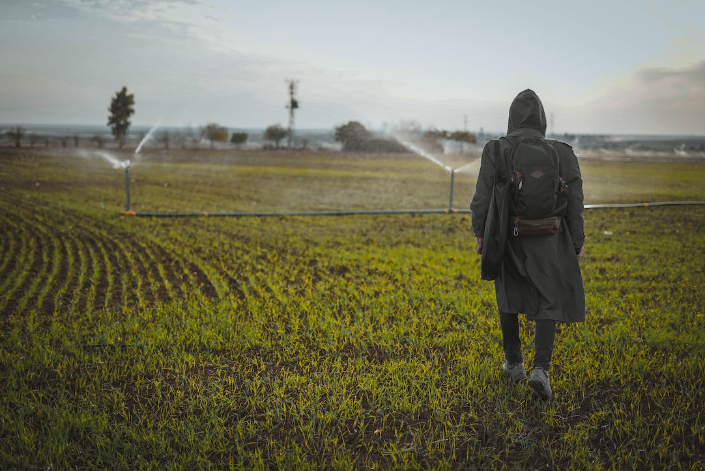
Efficient Water Management: The Power of Reliable Sprinkler Systems

In an era where environmental concerns are paramount, the need to conserve water has become an essential part of our daily lives. This necessity extends beyond our personal consumption to our outdoor spaces, particularly our lawns and gardens. The advent of reliable sprinkler systems marks a significant stride in achieving the delicate balance between nurturing lush landscapes and responsible water usage. This article explores how the most dependable sprinkler systems are designed to preserve water while effectively catering to the hydration needs of your lawn or garden.

The Evolution of Sprinkler Systems

Traditionally, watering lawns and gardens often led to unnecessary water wastage due to inefficient sprinkler systems. However, the landscape of irrigation has transformed with the integration of advanced technologies and innovative designs. The focus has shifted from saturating the ground to delivering targeted and optimized water amounts precisely where needed.

Conservation through Intelligence: Smart Timers

Central to the new-age sprinkler systems is the implementation of smart timers. These intelligent controllers have the ability to adapt watering schedules in real-time, accounting for varying weather conditions. By connecting to weather forecasting services, these systems can anticipate rain and adjust their watering cycles accordingly. This results in a dual advantage – the landscape receives only the necessary hydration, and water wastage due to overwatering is prevented. Furthermore, smart timers can also factor in factors like soil type, plant type, and local water restrictions to further tailor the irrigation schedule, ensuring efficient water use.

Rain Sensors: Empowering Water Efficiency

One of the standout features of modern sprinkler systems is the incorporation of rain sensors. These small yet impactful devices monitor precipitation levels and communicate with the sprinkler system to halt watering when rain is detected. Rain sensors are invaluable as they prevent unnecessary irrigation during or after rainfall, eliminating water wastage and reducing the risk of overwatering, which can harm plant health. This automated response to changing weather conditions showcases the level of precision and water management that these systems can achieve.

Drip Irrigation: Targeted Hydration

While traditional sprinklers cast a wide spray, often leading to water being dispersed where it isn’t needed, drip irrigation takes a more targeted approach. Drip systems deliver water directly to the root zone of plants through a network of tubing and emitters. This method significantly reduces water wastage as it minimizes evaporation and runoff. Drip irrigation not only conserves water but also promotes healthier plant growth by preventing foliage wetting, which can lead to disease and fungal issues. The integration of such localized watering techniques into modern sprinkler systems underscores the commitment to efficient water usage.

Soil Moisture Sensors: Precision at its Best

To truly optimize water usage, many advanced sprinkler systems are equipped with soil moisture sensors. These sensors measure the level of moisture in the soil and provide real-time data to the controller. Based on this information, the system can adjust the watering schedule, ensuring that plants receive water only when they need it. This precision-driven approach eliminates guesswork and prevents overwatering or underwatering, thus promoting healthier landscapes and reduced water consumption.

The journey from traditional irrigation methods to the realm of reliable sprinkler systems reflects a significant stride in responsible water management. These systems have harnessed the power of technology to create a harmonious blend between lush landscapes and water conservation. Features such as rain sensors, smart timers, drip irrigation, and soil moisture sensors collectively demonstrate the prowess of modern sprinkler systems in preserving one of our most precious resources. As environmental consciousness continues to grow, investing in these intelligent systems not only benefits our outdoor spaces but also contributes to a sustainable future.

Content generated by ChatGPT
Water Conservation Practices: Preserving a Precious Resource

Water is an essential natural resource that sustains all life on Earth. With increasing global population and climate change impacting weather patterns, water scarcity has become a pressing concern in many regions. In this article, we will explore the significance of promoting water conservation practices, specifically focusing on fixing dripping faucets and running toilets. These seemingly minor issues can lead to significant water loss and negatively impact water pressure, making water conservation initiatives crucial for both environmental and practical reasons.

  1. The Urgent Need for Water Conservation

Water scarcity is a pressing global issue affecting millions of people. Many regions face water stress or water scarcity, and the situation is only expected to worsen. Reducing water waste and conserving water resources have become paramount to ensuring a sustainable future. By promoting simple yet effective water conservation practices, we can all contribute to the preservation of this precious resource.

  1. The Culprits: Dripping Faucets and Running Toilets

Dripping faucets and running toilets are among the most common sources of water wastage in households and commercial establishments. Though they may seem insignificant, the cumulative effect of these small leaks can be astounding. A faucet that drips once per second can waste over 3,000 gallons of water in a year, and a continuously running toilet can waste hundreds of gallons every day.

  1. Impact on Water Loss

Water loss due to dripping faucets and running toilets contributes significantly to the overall water crisis. In urban areas with aging infrastructure, water leaks can be even more problematic. According to some estimates, up to 20% of water loss in urban water supply systems can be attributed to leaks, including those from faucets and toilets. By addressing these issues promptly, we can make a substantial impact on reducing water waste and conserving water for essential purposes.

  1. Maintaining Optimal Water Pressure

Water pressure is vital for the effective functioning of plumbing systems. When leaks occur in the system, water pressure can be affected, leading to reduced efficiency and performance of appliances and fixtures. Low water pressure can be particularly inconvenient and frustrating, causing disruptions in daily activities such as showering, cooking, and cleaning.

By promoting water conservation practices and fixing dripping faucets and running toilets, we can ensure that water pressure remains at an optimal level, enhancing the overall experience and functionality of the water supply system.

  1. Encouraging Behavioral Change

Promoting water conservation practices involves not only fixing leaks but also encouraging behavioral change among individuals and communities. Simple steps, such as turning off the tap while brushing teeth or using a broom instead of a hose to clean outdoor areas, can make a substantial difference in water consumption.

Raising awareness about the impact of water wastage and the benefits of conservation practices can empower people to adopt more responsible water usage habits. Educational campaigns, community workshops, and government initiatives can play a crucial role in fostering a culture of water conservation.

  1. Implementing Repair and Maintenance Strategies

To tackle dripping faucets and running toilets effectively, a two-pronged approach of repair and maintenance is essential. Regular inspection of plumbing systems and fixtures can help detect leaks early on. Homeowners, businesses, and facility managers should be proactive in addressing leaks as soon as they are identified.

In some cases, the repair may require the expertise of a plumber, especially if the issue is complex or involves more than simple tightening of a valve or replacing a washer. Timely and professional repairs can prevent water loss and ensure the longevity of the plumbing system.

  1. Innovative Technologies for Water Conservation

In the modern age, technology plays a pivotal role in water conservation efforts. Smart home devices and water monitoring systems can provide real-time data on water usage, enabling individuals to track their consumption and identify areas where water conservation can be improved.

Additionally, water-efficient appliances, such as low-flow faucets and toilets, are readily available in the market. Replacing old fixtures with these water-saving alternatives can significantly reduce water consumption without sacrificing functionality.

  1. Collaboration for a Water-Secure Future

Water conservation is a collective responsibility that requires collaboration among governments, businesses, communities, and individuals. Governments can implement policies and regulations that incentivize water-efficient practices and penalize excessive water wastage. Businesses can contribute by adopting sustainable water management practices, reducing water usage in their operations, and promoting water conservation among employees and customers.

Promoting water conservation practices, especially by addressing dripping faucets and running toilets, is a critical step towards mitigating the water crisis and preserving this vital resource for future generations. By raising awareness, encouraging behavioral change, and adopting innovative technologies, we can collectively contribute to reducing overall water loss and maintaining optimal water pressure. Water conservation is not only an environmental imperative but also a practical approach to securing a sustainable and water-secure future for all. Together, we can make a significant difference in protecting the world’s most valuable and irreplaceable resource – water.

Content generated by ChatGPT

The Importance of Regular Maintenance Programs in Identifying Potential Leaks

Regular maintenance programs are essential for the longevity and optimal performance of various systems, equipment, and infrastructure. When it comes to industrial facilities, commercial establishments, or even residential properties, one critical aspect of maintenance is addressing potential leaks. Leaks, whether in plumbing systems, HVAC units, or industrial machinery, can lead to significant problems if left unchecked. In this article, we will explore the importance of regular maintenance programs that include inspection, cleaning, and replacement of worn-out components in identifying potential leaks before they become problematic.

  1. Understanding the Impact of Leaks

Leaks can have far-reaching consequences, ranging from increased utility bills and water wastage to severe property damage and environmental hazards. Even seemingly minor leaks can escalate into major issues over time, resulting in costly repairs, downtime, and operational inefficiencies. Identifying and addressing leaks at their early stages is crucial to avoid these complications.

  1. Regular Inspection: The First Line of Defense

A robust maintenance program starts with regular inspections. Qualified professionals or facility managers should conduct comprehensive inspections of plumbing, HVAC, and other critical systems on a periodic basis. These inspections involve a thorough examination of pipes, joints, valves, and other components that are susceptible to leakage.

During these inspections, signs of wear and tear, corrosion, or any other potential vulnerabilities can be detected early. Additionally, technicians can use advanced techniques such as thermal imaging to identify hidden leaks that may not be visible to the naked eye. Early detection allows for timely repairs or replacements, preventing leaks from worsening and causing significant damage.

  1. Cleaning: Preventing Blockages and Corrosion

Accumulation of debris, sediment, and other contaminants can lead to blockages and corrosion, contributing to leaks in various systems. Regular cleaning as part of the maintenance program is essential to prevent these issues from developing.

In plumbing systems, for instance, blockages in drains or pipes can increase pressure on weaker sections, leading to leaks. Similarly, in cooling towers or industrial machinery, sediment buildup can impair the proper functioning of components, making them more prone to leaks. By incorporating cleaning into the maintenance routine, potential leak triggers can be eliminated, reducing the likelihood of leaks occurring.

  1. Replacement of Worn-Out Components

Over time, various components in systems and equipment can degrade due to constant usage and exposure to environmental factors. Worn-out gaskets, seals, and connectors are notorious for causing leaks in plumbing systems. Similarly, aging hoses, pipes, and fittings in industrial machinery and HVAC units can become vulnerable to leaks.

A regular maintenance program should include proactive replacement of these worn-out components. By staying ahead of the curve and replacing parts before they fail, the risk of leaks can be minimized significantly.

  1. Benefits of Preventive Maintenance in Leak Detection

Implementing regular maintenance programs focused on leak detection and prevention brings numerous benefits:

a. Cost Savings: Timely detection and repair of leaks prevent extensive damage, reducing the overall cost of repairs. Addressing leaks early also helps save on water and energy bills.

b. Enhanced Safety: Leaks can create hazardous conditions, such as slippery surfaces or electrical hazards. By identifying and addressing leaks promptly, the risk of accidents and injuries is reduced. Additionally, unexpected maintenance issues can sometimes compromise building security, making it important to have reliable services—such as a 24 hours mobile locksmith—available in case emergency lock repairs or access issues arise.

c. Improved Efficiency: Well-maintained systems and equipment operate more efficiently, leading to optimal performance and reduced energy consumption.

d. Prolonged Lifespan: Regular maintenance extends the lifespan of equipment and infrastructure by minimizing wear and tear caused by leaks and related issues.

e. Environmental Responsibility: Preventing leaks helps conserve precious resources like water and reduces the potential for environmental contamination.

A proactive maintenance program isn’t just about keeping your property looking good — it’s about protecting it. For homeowners and business owners alike, garage door systems and irrigation setups are often overlooked until a major problem arises. Regular maintenance ensures your garage door remains secure from intrusions and breakdowns, while also helping to detect early signs of water irrigation leaks that can cause extensive structural or landscape damage.

In regular maintenance programs that encompass inspection, cleaning, and the replacement of worn-out components play a vital role in identifying potential leaks before they become problematic. Early detection and proactive measures not only prevent the escalation of issues but also lead to cost savings, improved safety, enhanced efficiency, and extended equipment lifespans. By investing in preventive maintenance, individuals and organizations can mitigate the risks associated with leaks and ensure the smooth functioning of their systems and infrastructure. Remember, prevention is always better than cure, and regular maintenance is the key to leak-free and sustainable operations.

Content generated by ChatGPT

Water Leaks: A Hidden Culprit Behind Reduced Water Pressure

Water leaks are a significant cause of reduced water pressure in the supply system. These leaks can occur in various components, such as pipes, fittings, valves, and even within buildings. When water escapes through these hidden openings, it not only leads to wastage but also reduces the amount of water available, subsequently resulting in a drop in pressure.

Leaks in pipes are one of the primary culprits behind reduced water pressure. Pipes can develop cracks or small holes due to a variety of factors, including age, corrosion, ground movement, or external damage. As water seeps out through these leaks, the volume of water reaching the consumer decreases, leading to a noticeable decrease in pressure.

Fittings and valves are also vulnerable to leaks. Over time, these components can deteriorate, resulting in faulty seals or connections. When they fail to create a tight seal, water can escape through the gaps, diminishing the flow of water and causing pressure drops. It’s important to regularly inspect and maintain these fittings and valves to ensure their proper functioning and prevent leaks.

Water leaks within buildings can also contribute to reduced water pressure. These leaks may occur in plumbing fixtures, faucets, toilets, or hidden pipes behind walls and ceilings. Undetected leaks can gradually worsen over time, impacting water pressure throughout the building. In addition to plumbing concerns, security systems and locksmith services play a crucial role in safeguarding the building from unauthorized access during maintenance and repairs. A well-secured property ensures that any necessary leak inspections or repairs can be conducted without compromising safety. Identifying and fixing these leaks is essential not only to restore water pressure but also to conserve water, prevent potential structural damage, and maintain overall building security.

The consequences of water leaks extend beyond reduced water pressure. They lead to significant water wastage, which has both environmental and economic implications. Every drop of water lost due to leaks represents a waste of resources and energy expended in its treatment and distribution. Moreover, leaky pipes and infrastructure can also result in water contamination as pollutants may enter through these openings, compromising the quality of the water supply.

To address the issue of water leaks and mitigate their impact on water pressure, early detection and prompt repair are crucial. Regular monitoring and inspection of the water supply system, including pipes, fittings, and valves, can help identify leaks at an early stage. Utilizing advanced leak detection technologies, such as acoustic sensors or thermal imaging, can aid in the swift identification of leaks, even in concealed areas.

Once leaks are detected, immediate repairs should be undertaken to prevent further water loss and pressure drops. Depending on the extent and location of the leak, repairs may involve patching small cracks, replacing damaged sections of pipes, or fixing faulty fittings and valves. It is essential to engage qualified professionals with expertise in plumbing and infrastructure maintenance to ensure effective repairs.

Furthermore, preventive measures can play a significant role in reducing water leaks and preserving water pressure. Regular maintenance programs that include inspection, cleaning, and replacement of worn-out components can help identify potential leaks before they become problematic. Implementing modern materials and technologies, such as corrosion-resistant pipes or pressure-regulating valves, can also enhance the durability and efficiency of the water supply system, reducing the likelihood of leaks.

Education and awareness campaigns are instrumental in encouraging individuals and communities to take responsibility for detecting and reporting water leaks promptly. Promoting water conservation practices, such as fixing dripping faucets or running toilets, can contribute to reducing overall water loss and maintaining optimal water pressure.

In undetected water leaks pose a significant challenge to maintaining adequate water pressure in the supply system. Whether in pipes, fittings, valves, or within buildings, these leaks result in a reduction of available water and subsequent pressure drops. Through proactive measures such as regular monitoring, early detection, prompt repairs, and preventive maintenance, we can mitigate the impact of water leaks, conserve water resources, and ensure a reliable and consistent water supply for all.

Content generated by ChatGPT

Aging Infrastructure: The Culprit Behind Reduced Water Pressure

Water is a vital resource that we rely on for our everyday needs, from cooking and cleaning to bathing and hydration. However, one common issue that many communities face is reduced water pressure. When the flow of water from faucets and showers slows to a trickle, it can be frustrating and inconvenient. In many cases, this decrease in water pressure can be attributed to aging infrastructure.

Infrastructure, including the vast network of pipes and distribution systems that transport water from treatment plants to our homes and businesses, plays a crucial role in ensuring a reliable water supply. Unfortunately, as time goes by, these essential components can deteriorate and become less efficient, leading to a decrease in water pressure.

Pipes, the backbone of any water distribution system, are subject to wear and tear over time. They are exposed to various factors that can lead to their deterioration, including environmental conditions, usage patterns, and the quality of the water being transported. As pipes age, they can develop cracks, leaks, or even collapse, impeding the smooth flow of water and causing pressure drops.

Corrosion is another common problem that affects aging pipes. Corrosive elements present in the water, such as minerals, chemicals, and oxygen, can slowly eat away at the pipe material, leading to a buildup of rust and scale. This corrosion not only narrows the pipe’s diameter but also creates rough surfaces that impede water flow. As a result, reduced water pressure becomes apparent.

Mineral deposits can also accumulate inside pipes over time, causing blockages and restricting the flow of water. Hard water, characterized by high levels of minerals like calcium and magnesium, is especially prone to depositing scale on the inner walls of pipes. These deposits act as barriers, reducing the available space for water to pass through and resulting in decreased pressure.

Inadequate pipe sizing and an outdated distribution network are additional factors that contribute to low water pressure in aging infrastructure. In some cases, older systems were not designed to accommodate the growing demand for water in expanding communities. Insufficient pipe sizes restrict the volume of water that can pass through, leading to reduced pressure at the consumer’s end.

Similarly, an outdated distribution network, originally built to serve a smaller population, may struggle to cope with the increased demands of a modern society. As more homes and businesses connect to the system, the distribution network may become overburdened, causing pressure drops in certain areas. The lack of upgrades or expansions to accommodate the growing needs exacerbates the issue.

Addressing the challenges posed by aging infrastructure and its impact on water pressure requires proactive measures. Regular maintenance and inspections of pipes are essential to identify early signs of deterioration or blockages. By promptly repairing or replacing damaged sections, water pressure can be restored and maintained at an optimal level.

Furthermore, implementing corrosion control measures can help mitigate the effects of corroded pipes. Techniques such as lining or coating the pipes, cathodic protection, and water treatment can reduce the rate of corrosion and extend the lifespan of the infrastructure. Regular cleaning or flushing of the pipes can also prevent mineral buildup and blockages, ensuring a steady flow of water.

In terms of system design, it is crucial to consider anticipated growth and demand when planning water distribution networks. Adequate pipe sizing, strategic placement of pumping stations, and the integration of modern technologies—such as SCADA monitoring, intrusion detection for critical facilities, access control at pumping stations, and cybersecurity safeguards for control systems—can help optimize water pressure, protect vital assets, and minimize the impact of aging infrastructure while improving overall system reliability and resilience.

Investing in the rehabilitation and modernization of aging water infrastructure is essential for ensuring reliable water supply and maintaining adequate water pressure. Governments, utilities, and communities must prioritize these upgrades to safeguard public health, support economic growth, and enhance the overall quality of life.

In reduced water pressure is often a consequence of aging infrastructure. Deterioration, corrosion, mineral deposits, and inadequate pipe sizing or outdated distribution networks all contribute to this issue. By implementing regular maintenance, corrosion control measures, and appropriate system design, we can overcome the challenges posed by aging infrastructure and ensure a reliable and consistent water supply for generations to come.

Content generated by ChatGPT

Reduced Water Pressure: Causes, Impacts, and Solutions

Water pressure is an essential aspect of our daily lives, impacting various activities such as showering, cleaning, and irrigation. However, many individuals and communities face the frustrating problem of reduced water pressure. Whether it’s a weak trickle from the showerhead or a feeble stream from the faucet, low water pressure can significantly impact our quality of life. Much like how a skilled locksmith ensures smooth access to secure spaces, proper maintenance is key to ensuring optimal water flow. In this article, we will explore the causes of reduced water pressure, its impacts on different sectors, and potential solutions to address this issue.

Causes of Reduced Water Pressure:

  1. Aging Infrastructure: In many cases, reduced water pressure can be attributed to aging infrastructure. Over time, pipes can deteriorate, corrode, or become clogged with mineral deposits, reducing the flow of water. Additionally, inadequate pipe sizing or an outdated distribution network can contribute to low pressure.
  2. Water Leaks: Undetected leaks in the water supply system can lead to a drop in pressure. Leaks can occur in pipes, fittings, valves, or even within buildings. When water escapes through these leaks, it reduces the amount of water available and consequently lowers the pressure.
  3. High Demand: During peak usage times, such as mornings or evenings when people are using water simultaneously, the demand for water can exceed the supply capacity of the system. This increased demand can result in reduced water pressure for users.
  4. Water Source Issues: If the primary water source for a region experiences drought or other water scarcity issues, it can lead to reduced water pressure. Insufficient water supply from the source results in lower pressure throughout the distribution network.

Impacts of Reduced Water Pressure:

  1. Inadequate Hygiene: Reduced water pressure can make it challenging to maintain proper hygiene practices, such as washing hands or showering. Insufficient water flow can hinder effective cleaning, potentially compromising public health.
  2. Reduced Irrigation Efficiency: Agriculture heavily relies on water for irrigation. Reduced water pressure can impede efficient irrigation, affecting crop yield and overall agricultural productivity. Farmers may struggle to meet water requirements for their fields, impacting food production.
  3. Plumbing System Issues: Low water pressure can strain plumbing systems, causing inconvenience and potential damage. Appliances like dishwashers and washing machines may not function optimally, and the lifespan of plumbing fixtures can be reduced due to increased strain caused by insufficient water pressure.
  4. Reduced Fire Protection: Adequate water pressure is critical for effective firefighting. If water pressure is low, it can hamper the ability to extinguish fires quickly, potentially leading to greater property damage and increased risks to life.

Solutions to Address Reduced Water Pressure:

  1. Infrastructure Upgrades: Investing in infrastructure upgrades is essential to improve water pressure. This includes replacing aging pipes, ensuring proper pipe sizing, and addressing clogs and leaks in the distribution system. Upgrading water treatment facilities can also enhance water pressure by optimizing water flow.
  2. Leak Detection and Repair: Regular monitoring and detection of leaks in the water supply system are crucial. Implementing leak detection technologies and promptly repairing identified leaks can help maintain water pressure levels and reduce wastage.
  3. Water Demand Management: Managing water demand through efficient water use practices is vital to avoid excessive strain on the system. Encouraging water-saving behaviors, such as installing low-flow fixtures, promoting water-efficient appliances, and educating the public about responsible water use, can help alleviate pressure on the water supply.
  4. System Optimization and Expansion: Optimizing the water distribution system by balancing water flows, adding booster pumps, and upgrading valves can enhance water pressure. In areas experiencing high population growth, expanding the water infrastructure to meet increased demand is essential.
  5. Collaboration and Funding: Addressing reduced water pressure requires collaboration among water utilities, government agencies, and communities. Adequate funding must be allocated to upgrade and maintain water infrastructure, ensuring sustained water pressure for all.

In reduced water pressure is a widespread issue with various causes and impacts. To overcome this challenge, proactive measures are necessary, including infrastructure upgrades, leak detection and repair, water demand management, system optimization, and collaboration among stakeholders. By prioritizing the improvement of water pressure, we can ensure a reliable and adequate water supply for daily activities, promote hygiene, safeguard our infrastructure, and support economic and social development.

Content generated by ChatGPT

Uneven Water Distribution: A Global Challenge

Water is an essential resource for all forms of life, playing a vital role in human survival, agriculture, industry, and ecosystem stability. However, despite covering approximately 70% of the Earth’s surface, freshwater availability for human use is alarmingly limited. Uneven water distribution, both spatially and temporally, has emerged as a significant global challenge, with far-reaching implications for social, economic, and environmental sustainability.

Spatially, the distribution of water resources around the world is highly unequal. Some regions, such as parts of North America and Europe, are relatively abundant in freshwater, with ample rivers, lakes, and groundwater reserves. These areas often enjoy access to clean drinking water, which is essential for public health and well-being. However, many other regions face severe water scarcity, particularly in arid and semi-arid regions of Africa, the Middle East, and parts of Asia. In these water-stressed areas, people struggle to meet their daily water needs, leading to compromised hygiene, increased vulnerability to waterborne diseases, and limited agricultural productivity.

Unequal water distribution is not only a matter of availability but also quality. Contamination of freshwater sources, such as rivers and aquifers, further exacerbates the challenges faced by water-scarce regions. Industrial pollution, agricultural runoff, and inadequate wastewater treatment infrastructure contribute to the deterioration of water quality, making it unsafe for consumption and detrimental to ecosystems. Inadequate access to safe water perpetuates a cycle of poverty, as communities spend a significant portion of their time and resources on obtaining and treating water, instead of pursuing education, income-generating activities, or other developmental opportunities.

Moreover, even within countries or regions, water distribution can be uneven. Urban areas, driven by population growth and rapid urbanization, often face greater water demand compared to rural areas. This urban-rural divide can strain water resources and create social disparities, as affluent urban neighborhoods receive a more reliable water supply, while marginalized communities in rural areas struggle with limited access to clean water. Such inequalities not only affect individuals’ well-being but also exacerbate social tensions and hinder equitable development.

Temporal variations in water availability pose additional challenges. Climate change is altering precipitation patterns, leading to more frequent and severe droughts in some areas, while others experience intense rainfall events and flooding. These extreme weather events disrupt water supply, damage infrastructure, and impact agricultural productivity, exacerbating food insecurity and socioeconomic vulnerabilities. Furthermore, the unpredictable nature of water availability hampers effective water resource management, making it difficult to plan and implement long-term strategies for sustainable water use.

Addressing the issue of uneven water distribution requires a multi-faceted approach that combines conservation, management, and equitable distribution. Implementing sustainable water practices, such as rainwater harvesting, water recycling, and efficient irrigation techniques, can contribute to water conservation and reduce pressure on existing water sources. Investment in water infrastructure, including storage reservoirs, pipelines, and treatment facilities, is crucial to improve water access and quality in underserved areas. Additionally, promoting awareness and education about water conservation and the importance of responsible water use can foster a culture of water stewardship among individuals and communities.

International cooperation is also vital to tackle the challenge of uneven water distribution. Sharing knowledge, technology, and best practices across countries can enhance water resource management and support capacity-building efforts in water-scarce regions. Collaborative initiatives and agreements, such as transboundary water management frameworks, can promote equitable sharing of shared water resources and prevent conflicts arising from competing water demands.

Furthermore, policymakers and governments must prioritize water-related issues in their development agendas. This involves integrating water management strategies into national policies, ensuring the participation of marginalized communities in decision-making processes, and establishing regulatory frameworks to safeguard water resources and promote equitable distribution.

Uneven water distribution is a pressing global challenge with far-reaching consequences. It affects not only human well-being but also economic productivity, environmental sustainability, and social stability. By recognizing the importance of water as a shared resource and implementing effective measures to address its uneven distribution, we can work towards a future where all individuals have access to safe and sufficient water, irrespective of their geographic location or socioeconomic status. Only through collective action and a commitment to sustainable water management can we ensure a more equitable and water-secure world for generations to come.

Content generated by ChatGPT

Identifying Sprinkler Head Issues and Ensuring Optimal Functioning

Sprinkler systems play a vital role in maintaining a healthy and thriving landscape. However, like any mechanical system, sprinkler heads can experience issues that affect their performance. Recognizing the signs of potential problems and taking proactive steps to ensure their proper functioning is crucial for efficient irrigation and landscape maintenance. In this article, we will explore common signs of issues with sprinkler heads and provide actionable steps to ensure their optimal operation.

  1. Uneven Water Distribution: One of the primary indicators of sprinkler head issues is uneven water distribution across the landscape. If you notice areas that are consistently dry or oversaturated, it may be a sign of misaligned or damaged sprinkler heads. Inspect your landscape regularly and observe the coverage pattern to identify any inconsistencies in water distribution.

To ensure proper functioning, adjust the direction and range of misaligned sprinkler heads. Replace damaged heads or nozzles that are causing uneven water distribution. Regularly check and clean the heads to prevent clogs that can disrupt water flow and cause uneven watering.

  1. Reduced Water Pressure: A decrease in water pressure from your sprinkler heads can signify various issues. Clogged nozzles, damaged pipes, or faulty valves can lead to reduced water pressure. If you notice weak or inconsistent water flow, it is crucial to investigate the cause.

To maintain proper water pressure, regularly clean the nozzles to remove debris and mineral buildup. Check for leaks in the system and repair or replace damaged pipes or valves. If necessary, consult a professional to assess and address any underlying issues affecting water pressure.

  1. Overspray or Excessive Runoff: Excessive overspray or runoff is not only wasteful but can also cause damage to your landscape and lead to water runoff pollution. If you observe water spraying onto hardscapes, sidewalks, or streets, or notice pooling water in certain areas, it indicates a problem with your sprinkler heads.

To prevent overspray, adjust the spray pattern or install appropriate nozzles that match the specific needs of your landscape. Consider installing drip irrigation in areas where overspray is persistent. Ensure that your sprinkler heads are properly aligned and not tilted, which can cause excessive runoff. Regularly inspect and adjust the sprinkler heads to ensure optimal water distribution.

  1. Malfunctioning or Stuck Heads: Sprinkler heads that fail to rise or retract properly are signs of malfunction. They can result from debris accumulation, worn-out components, or mechanical issues. Additionally, heads that remain stuck in one position can cause localized overwatering or underwatering.

To address malfunctioning heads, clean them regularly to remove dirt, grass clippings, or other debris. Lubricate moving parts to ensure smooth operation. Replace worn-out components or entire heads if necessary. Periodically check the retraction mechanism and adjust as needed to prevent heads from sticking or not fully retracting after use.

  1. Water Leakage: Water leakage around sprinkler heads is a clear indication of problems that require immediate attention. Leaks can result from damaged seals, cracked pipes, or faulty connections. Ignoring leaks can lead to water waste, landscape damage, and increased water bills.

To fix leaks, inspect the connections between the sprinkler heads and pipes for signs of damage or loose fittings. Replace worn-out or damaged seals and gaskets. Repair or replace cracked pipes or faulty valves. Regularly check for leaks by conducting a visual inspection and monitoring water usage.

  1. Inconsistent Timing or Programming: If your sprinkler system fails to adhere to the programmed schedule or shows irregular timing, it may indicate a control or programming issue. This can result in insufficient or excessive watering, impacting the health of your landscape.

To ensure consistent timing and programming, review and reprogram the sprinkler system controller regularly, especially after power outages or system maintenance. Verify that the timer settings align with your landscape’s watering needs and seasonal requirements. If the controller is outdated or malfunctioning, consider upgrading to a more reliable and efficient model.

Regularly monitoring and maintaining sprinkler heads is essential for the proper functioning of your irrigation system and the health of your landscape. By recognizing the signs of potential issues such as uneven water distribution, reduced water pressure, overspray, malfunctioning heads, water leakage, and inconsistent programming, you can take proactive steps to address these problems. Regular inspection, cleaning, adjustment, and timely repairs or replacements will ensure that your sprinkler heads perform optimally, providing efficient irrigation and a lush, thriving landscape for you to enjoy.

Content generated by ChatGPT

The Importance of Checking Sprinkler Heads for a Healthy and Efficient System

Maintaining a healthy and efficient sprinkler system is essential for the overall health and appearance of your landscape. One crucial aspect of system maintenance is regularly checking the sprinkler heads. Sprinkler heads play a vital role in distributing water evenly and efficiently across your lawn or garden. In this article, we will explore the importance of checking sprinkler heads, signs of potential issues, and steps to ensure their proper functioning, allowing you to enjoy a lush and thriving landscape.

  1. The Role of Sprinkler Heads in Water Distribution:

Sprinkler heads are the crucial components responsible for distributing water throughout your landscape. They determine the pattern, radius, and intensity of water coverage. Well-functioning sprinkler heads ensure even distribution, preventing overwatering or under watering in different areas. Checking the sprinkler heads regularly helps maintain optimal water distribution, which is vital for the health of your plants and the conservation of water resources.

  1. Signs of Potential Sprinkler Head Issues:

Checking your sprinkler heads regularly allows you to identify and address potential issues before they escalate. Some common signs that indicate problems with your sprinkler heads include:

a. Uneven Watering: If you notice areas of your lawn or garden that are overly saturated or dry, it may indicate that certain sprinkler heads are not functioning correctly or are misaligned.

b. Overspray or Underspray: Excessive water spraying onto non-landscaped areas, such as sidewalks or driveways, may be a sign of misaligned or damaged sprinkler heads. On the other hand, insufficient water coverage in specific areas suggests a malfunctioning or clogged sprinkler head.

c. Reduced Water Pressure: If you observe reduced water pressure or weak spray from certain sprinkler heads, it could indicate a clog or blockage in the nozzle or water supply line.

d. Leaking or Broken Heads: Visible signs of leakage, cracks, or broken parts on the sprinkler heads themselves are clear indications of malfunctioning equipment.

  1. Regular Inspection and Maintenance:

To ensure the proper functioning of your sprinkler heads, regular inspection and maintenance are necessary. Here are some essential steps to follow:

a. Clear Debris: Inspect the area surrounding the sprinkler heads and remove any debris, dirt, or grass clippings that may obstruct their operation. This will help ensure proper water distribution and prevent clogs.

b. Check Alignment: Walk around your landscape while the system is running to observe the water distribution patterns. Ensure that the sprinkler heads are aligned correctly to avoid overspray or underspray. Adjust misaligned heads to ensure uniform water coverage.

c. Clean Nozzles: Over time, mineral deposits, sediment, or debris can accumulate in the nozzles, affecting water flow. Remove the nozzles and rinse them thoroughly to eliminate any clogs or blockages. Consider using a soft brush or toothpick to clean hard-to-reach areas.

d. Inspect for Damage: Carefully examine each sprinkler head for visible signs of damage, including cracks, leaks, or broken parts. Replace or repair damaged heads promptly to maintain the efficiency of the system.

e. Test for Coverage: Periodically conduct a coverage test by placing shallow, flat-bottomed containers throughout your lawn or garden. Run the sprinkler system for a set amount of time and measure the water collected in each container. This will help identify areas with inadequate coverage, allowing you to adjust or replace the sprinkler heads accordingly.

  1. Professional Assistance:

In some cases, it may be beneficial to seek professional assistance for checking and maintaining your sprinkler heads. Irrigation specialists or landscaping professionals have the expertise and specialized tools to identify and address complex issues. Consider scheduling regular inspections or maintenance visits to ensure the longevity and efficiency of your sprinkler system.

Regularly checking the sprinkler heads in your system is crucial for maintaining a healthy and efficient landscape. By being proactive in inspecting, cleaning, and aligning the sprinkler heads, you can ensure optimal water distribution, prevent wasteful practices, and address any potential issues promptly. A well-maintained sprinkler system with properly functioning heads not only enhances the beauty of your landscape but also promotes water conservation. Take the time to check your sprinkler heads regularly, and enjoy the benefits of a vibrant and thriving outdoor space.

Content generated by ChatGPT

Winter Protection for Your Sprinkler System’s Backflow Preventer

The backflow preventer is a vital component of your sprinkler system, ensuring the safety and integrity of your water supply. However, during the winter months, when temperatures drop below freezing, it becomes susceptible to damage from freezing water. Proper protection is essential to prevent freezing, cracking, and costly repairs. In this article, we will discuss the significance of the backflow preventer, the risks it faces during winter, and effective measures to protect it during the cold season.

  1. Understanding the Backflow Preventer’s Role:

The backflow preventer is responsible for safeguarding your water supply by preventing the reverse flow of water. It ensures that contaminated water from your sprinkler system doesn’t flow back into the main water supply, protecting against cross-contamination and maintaining water quality standards. This makes it a crucial component of your sprinkler system that requires special attention, especially during the winter months.

  1. Recognizing Winter Risks:

During winter, freezing temperatures pose a significant risk to your backflow preventer. When water freezes, it expands, exerting pressure on the pipes and valves of the preventer. This pressure can cause cracks or ruptures, compromising the functionality of the device and potentially contaminating the water supply. Therefore, it is essential to take proactive steps to protect the backflow preventer from freezing.

  1. Shutting Off and Draining the System:

Before winter arrives, it is crucial to shut off and drain your sprinkler system to remove any remaining water. This step is vital in preventing water from freezing and causing damage to the backflow preventer. Start by turning off the main water supply to the system. Then, open all the valves and drain the water from the pipes by using compressed air or manual drainage methods. Ensuring the system is completely drained significantly reduces the risk of freezing and protects the backflow preventer.

  1. Insulating the Backflow Preventer:

Insulation is an effective method to protect the backflow preventer from freezing temperatures. Insulate the device using specially designed insulation covers or blankets that provide thermal protection. These covers are typically made of insulated material that helps retain heat and prevent freezing. Ensure that the insulation covers are properly secured and provide sufficient coverage for the backflow preventer and its associated valves.

  1. Wrapping Exposed Pipes:

In addition to insulating the backflow preventer itself, it is crucial to protect any exposed pipes connected to the device. Insulate these pipes using foam pipe sleeves or wraps. These materials provide an extra layer of protection against freezing temperatures and help maintain the warmth of the water within the pipes. Secure the insulation with tape or zip ties to ensure it remains in place during winter.

  1. Utilizing Heat Trace Cables:

In areas with extremely low temperatures, consider installing heat trace cables for additional protection. Heat trace cables are electrical cables that generate heat and can be wrapped around vulnerable pipes, including those connected to the backflow preventer. These cables are thermostatically controlled, ensuring they activate when temperatures drop below a certain threshold. Heat trace cables help maintain the temperature of the pipes, preventing freezing and protecting the backflow preventer.

  1. Regular Maintenance and Professional Inspection:

Perform regular maintenance on your sprinkler system and backflow preventer to ensure they are in optimal condition. Clear debris, inspect for any signs of damage or wear, and address issues promptly. Additionally, consider scheduling a professional inspection before winter. A trained technician can assess the system, including the backflow preventer, and provide recommendations for specific winter protection measures based on your region’s climate and the system’s unique requirements. To further enhance safety, incorporating security services and locksmith solutions can help protect these critical systems from tampering or unauthorized access. Ensuring that maintenance areas are properly secured prevents potential disruptions and enhances the overall security of your property.

Protecting your sprinkler system’s backflow preventer during the winter months is crucial to prevent freezing, damage, and potential contamination of your water supply. By understanding the role of the backflow preventer, recognizing the risks it faces during winter, and implementing effective protective measures such as shutting off and draining the system, insulating the preventer, wrapping exposed pipes, utilizing heat trace cables, and conducting regular maintenance and inspections, you can safeguard your backflow preventer and ensure its proper functioning when spring arrives. Taking these precautions not only preserves the longevity of your sprinkler system but also protects the integrity of your water supply.

Content generated by ChatGPT